Incognito Travel Searches: A Flight and Hotel Guide

Private browsing starts a separate browser session. Generally, when you close all private windows, the browser removes the session’s cookies and doesn’t save its browsing history on your device. The name varies by browser: Chrome calls it Incognito, while others use terms such as Private Browsing.
That doesn’t make you invisible online. Websites, your internet provider, and the network you use may still see activity. If you sign in to an account, your activity can also be connected to that account. Downloads and bookmarks you choose to save may remain on your device after the session ends.
For more detail, see Google Chrome’s explanation of Incognito mode. The practical takeaway is simple: use a private window to create a separate browsing session, not to hide your identity or assume you’ll get a lower price.
Featured in this guide
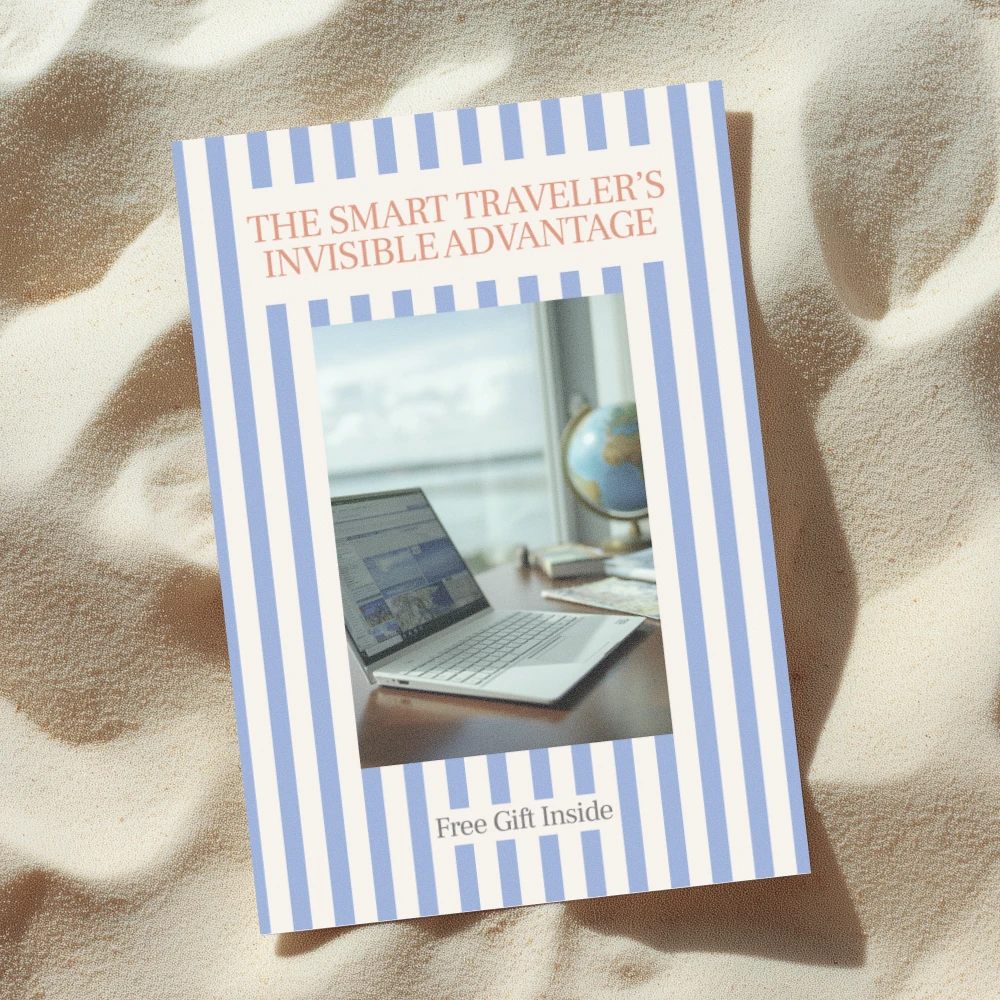
The Smart Traveler’s Invisible Advantage — How to Use Incognito Mode for Travel Searches eBook | Smarter Flight & Hotel Booking Guide
For flights, match the route and fare type, then look at baggage allowances, change rules, taxes and fees. For hotels, match the property and room type, and compare cancellation rules, included meals, taxes and any resort fees.
Record when and where you found each offer. A refundable room or a flight with included baggage may be worth more to you than a cheaper option with stricter terms.
If your schedule allows, try nearby travel dates. You can also compare hotel neighborhoods, accounting for the time and cost of getting to your planned activities.
Check offers from airlines or hotels alongside third-party booking sites. Terms can differ, so consider both the full price and who you’ll need to contact if your plans change.
Our The Smart Traveler’s Invisible Advantage eBook is for travelers interested in using incognito mode when searching for flights and hotels. Explore the guide before your next booking as you build a search routine that works for you.
For a separate topic, we also offer How Balenciaga Builds Trust, an in-stock guide for readers interested in brand trust.
Check the product’s listed specifications when evaluating make the ebook part of your planning.
Before choosing, compare the product details with your daily routine, available space, care needs, and preferred setup. The strongest option is usually the one that fits the intended use clearly and remains simple to clean, store, and check before repeat use.
It is also worth checking measurements, material notes, included parts, and compatibility details so the item matches the way it will be used after delivery.
An invisible disability is a physical, mental, sensory, or neurological condition that substantially affects a person’s life but may not be apparent to others. Examples can include chronic pain, hearing loss, and some mental health conditions.
The 80% figure is widely repeated, but there is no single universally accepted measure for that claim. Definitions of disability and what counts as invisible vary across studies and populations.
Many airports participate in the Hidden Disabilities Sunflower program, but recognition and available assistance vary by location. A lanyard can discreetly signal that you may need support; it does not guarantee a particular service.




Leave a comment
You must be logged in to post a comment.